
The progress that did not hold
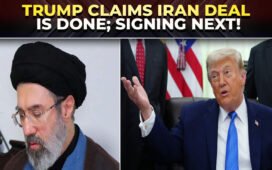
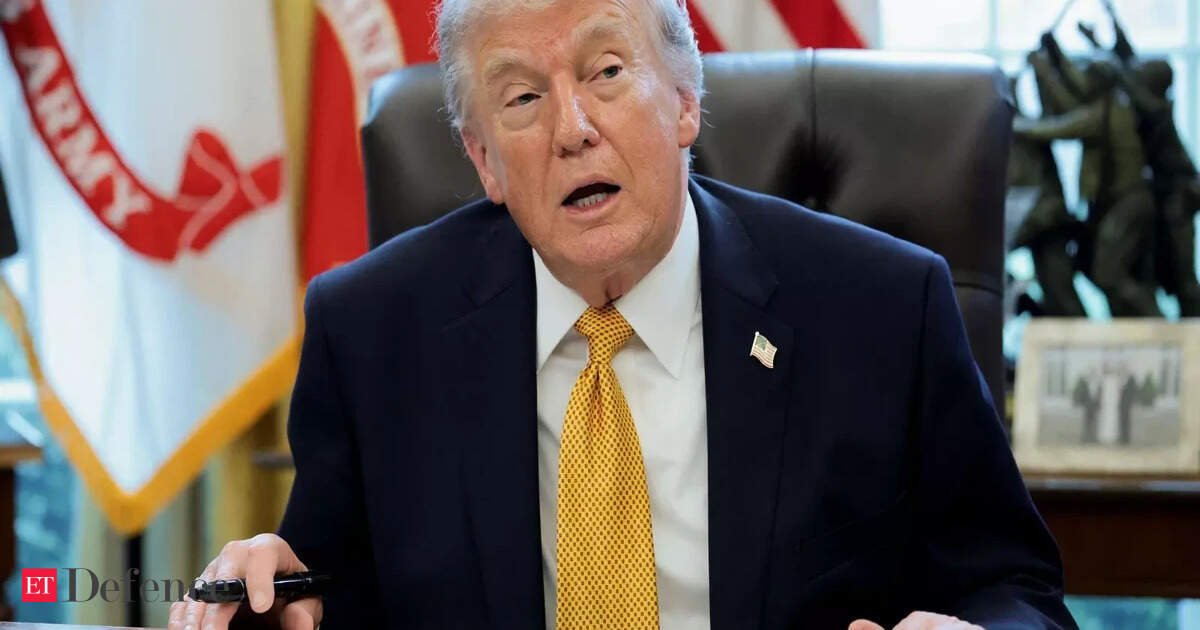
In the immediate aftermath of the strait’s reopening, Trump presented the events as evidence that Iran was yielding under pressure. Trump publicly suggested that Iran had effectively accepted terms that would keep the vital shipping lane open and move negotiations ahead. Trump’s tone and tenor implied Iran had caved in. Iran had agreed not only to open the strait but also to the continuation of the US blockade and, most importantly, to hand over its uranium to the US. That’s what Trump’s triumphalist statements made to press and on social media suggested.
However, Trump’s version quickly collided with reality. Iranian officials firmly stated that any reopening was conditional and reversible, particularly if the US blockade remained in place. While Trump described negotiations as advancing, Iran’s actions pointed in the opposite direction, culminating in a renewed closure of the strait and heightened tensions at sea. The gap between Trump’s rhetoric and the ground reality became difficult to ignore. Iran also stated that its uranium was not moving anywhere.

Also Read | Iran says no date set for next round of negotiations with US
The leverage miscalculationAt the core of the episode lies a potential misreading of leverage. Trump’s position rested on the assumption that economic and military pressure had pushed Iran to a point where it would make all concessions meekly to survive the conflict. Trump’s approach centered on keeping the blockade in place while also expecting sustained cooperation from Iran.
Iran’s response suggested a different calculation. By reimposing restrictions and escalating its posture, Iran demonstrated it retained both the capacity and willingness to disrupt global energy flows. Iran made it clear that Trump was overstating his case and that it is not a pushover. Iran’s replies to Trump’s claims made it apparent that the reopening was not a concession secured by Trump but a tactical pause that Iran had agreed to, yet was willing to reverse at will.
Trump “overplayed things”
Speaking to Al Jazeera, Michael Shoebridge of Strategic Analysis Australia drew a direct line between Trump’s positioning and the setback in negotiations. “Seeing those first tankers come through the strait I think was received very well across the world. But seeing Iran close the strait again because America hasn’t lifted its blockade of Iranian shipping is a real setback,” Shoebridge said. “The problem here I think is President Trump has overplayed things because he wants desperately to portray himself as winning.”
“We’ve heard from Trump that an agreement is very, very close. But that would be very hard to believe if they can’t even get to the starting point, which is seeing the ceasefire terms come into place. America may have to shift its position again here,” he said.
Shoebridge’s assessment captures a broader concern echoed by many — the US may have treated tentative signals from Iran as firm commitments, thereby undermining its own negotiating position.
Also Read | Iranian gunboats fire on tanker in Strait of Hormuz as Iran reimposes restrictions
From momentum to regression
The consequences are now visible in the tone of ongoing diplomacy. Iran’s latest statements indicate that while it is reviewing new US proposals, its stance has hardened rather than softened. In their latest statements, Iranian officials have emphasised that there will be “not even the slightest compromise, retreat or leniency”. This position suggests diminished trust and reduced flexibility.
This marks a sharp contrast with the earlier moment when reopening the strait created an impression, however fleeting, that both sides were moving toward de-escalation. Iran explicitly tied its renewed closure to the continuation of the US blockade, framing it as a direct response rather than an unprovoked escalation. In effect, the sequence of actions has shifted the dynamic from cautious optimism back to confrontation.
What makes this episode particularly significant is not just the tactical reversal but the role of perception in shaping it. By projecting that Iran had agreed to his maximalist terms, Trump risked cornering himself diplomatically. Walking back such claims became politically costly after Iran’s denial, yet maintaining them in the face of contradictory actions by Iran would erode credibility.
The result is a situation where both sides appear further apart than before the brief opening of the strait. Iran has indicated renewed resolve and autonomy, while the US faces pressure to either adjust its approach to Iran’s or go back to military action, which has been tested and found wanting.
The rapid shift from reopening to renewed closure of the Strait of Hormuz has exposed a clear miscalculation at the heart of Trump’s strategy. By claiming progress that was not firmly secured, Trump may have weakened the very leverage he sought to demonstrate. As negotiations now risk sliding back to square one, Iran is also testing Trump’s resolve to extract benefits by exerting pressure.