
After six years on the sidelines, Uber is making a clear push to deploy its own robotaxis again, with deal structures that seem designed to limit its risk.
It’s a significant reversal from a few years ago, when Uber sold its self‑driving unit, ATG, after a fatal crash in 2018 and years of heavy losses. Since then, Uber has gone a different path—inking deals with nearly every major robotaxi player in the market, from Waymo to WeRide. It’s only Tesla that doesn’t work with the ride-hail company, though that wasn’t for lack of trying on Uber’s part.
In all of those deals, Uber has integrated other companies’ AV fleets into its app; the AV companies own and operate the cars. That’s changing.
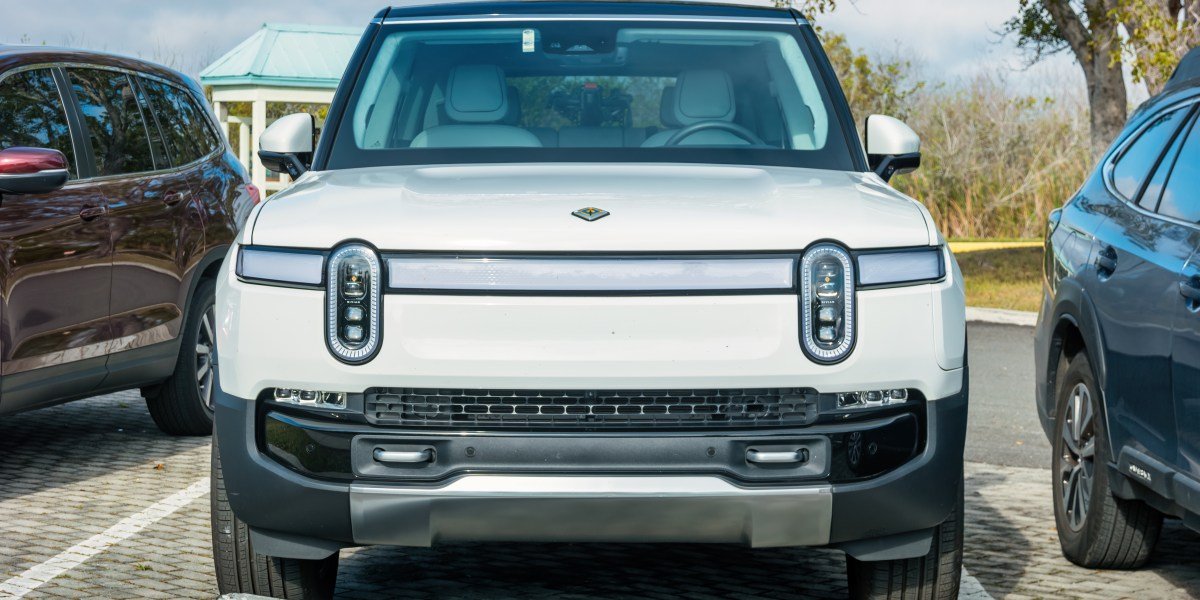
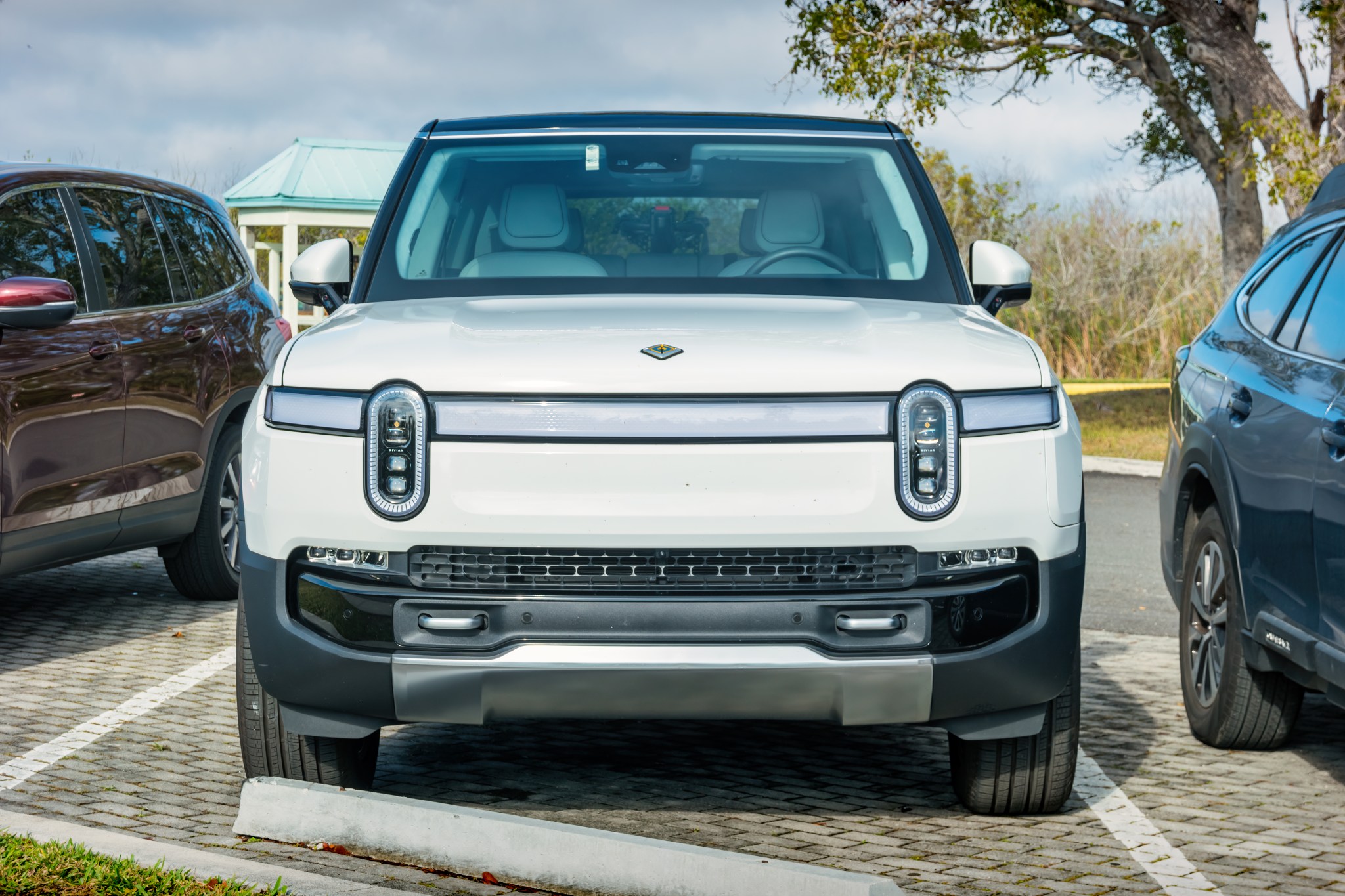
First, there was the deal with Lucid Motors in 2025 to purchase and deploy up to 20,000 vehicles equipped with Nuro’s autonomy stack. On Thursday, Uber announced a similar deal with Rivian for its yet‑to‑be‑built R2 platform. The company is planning to purchase 10,000 fully autonomous R2‑based robotaxis if Rivian meets development and validation milestones, with an option to scale to 50,000, according to SEC filings and company statements. Uber is also making a $300 million investment in the company as part of the deal, and potentially another $950 million more should Rivian meet certain, undisclosed development requirements. Rivian has also agreed not to sell fully autonomous vehicles to Uber’s direct ride‑hailing rivals for a specified exclusivity period, according to the SEC filing.
Uber is planning to deploy the new fleet in San Francisco and Miami in 2028, and hopes to be in 25 cities by 2031, the companies said. Uber said in January it was still planning to deploy Lucid vehicles later this year.
To be clear, there’s still a lot that will need to happen first for the Rivian deal. Rivian laid out what its R2 autonomy platform will look like in December—a multi-modal sensor suite with 11 cameras, five radars, and one LiDAR that is built on two of Rivian’s in-house RAP1 chips—but it still has yet to finish developing it or to start production of the new vehicle. Language in the SEC filings suggest that Rivian still has a long way to go, noting that Rivian “intends to develop” an autonomous driving system featuring its own Level 4 system as well as “certain technology” that will let Rivian vehicles integrate into ridehailing and logistics networks. Rivian and its suppliers still apparently need to purchase the tooling necessary to manufacture and assemble these vehicles, too, the agreement shows.
All of this will be expensive. As TechCrunch first reported, Rivian said in an SEC filing that it no longer anticipates reaching EBITDA profitability by 2027 due to expected increase in autonomy R&D. It looks like Rivian may effectively be using Uber’s order book and cash to help finance this autonomy push.
Uber and Rivian had not responded to requests for comment before press time.
Uber moves away from asset-light
Uber’s been making strategic, expensive bets on autonomy for a long time, and has been a frontrunner in partnering with various robotaxi companies.
It is working in cities like Austin with Waymo vehicles, with Motional in Las Vegas, and has plans to expand into Los Angeles with Zoox. It’s even planning to work directly with Nvidia in 2027. These partnerships have allowed Uber to have skin in the game with the race to autonomy, but still deflect some of the brand and reputational risk.
There are reasons why Uber would want to do that. In 2018, one of Uber’s self-driving testing vehicles struck a pedestrian, who passed away. It was the first self-driving car fatality, and it made waves. Arizona’s governor suspended Uber’s testing in 2018; Uber then shut down the Arizona AV program and later sold it in 2020 for stock in Aurora Innovation, a self-driving trucking company in Texas.
For years, as it has signed on to new partnerships, CEO Dara Khosrowshahi has insisted that Uber is an asset‑light marketplace that doesn’t own cars itself.
These recent deals represent a change in direction.
Uber still isn’t building vehicles or core autonomy software—Rivian and Lucid are—but Uber would now own thousands of highly specialized vehicles in specific cities, meaning it is taking on asset risk (like depreciation and utilization) as well as operational risk should those system underperform or be responsible for an incident.
It’s unclear whether these new arrangements are having any kind of impact on Uber’s pre-existing partnerships—and if companies like Waymo will start viewing Uber as more of a rival. Waymo and WeRide did not respond to requests for comment before press time.
For a company that has spent years insisting it’s just the marketplace and not the fleet, this is more than a tweak to the business model. It’s a bet that this time, owning the robots will hurt less than it did the first time around.